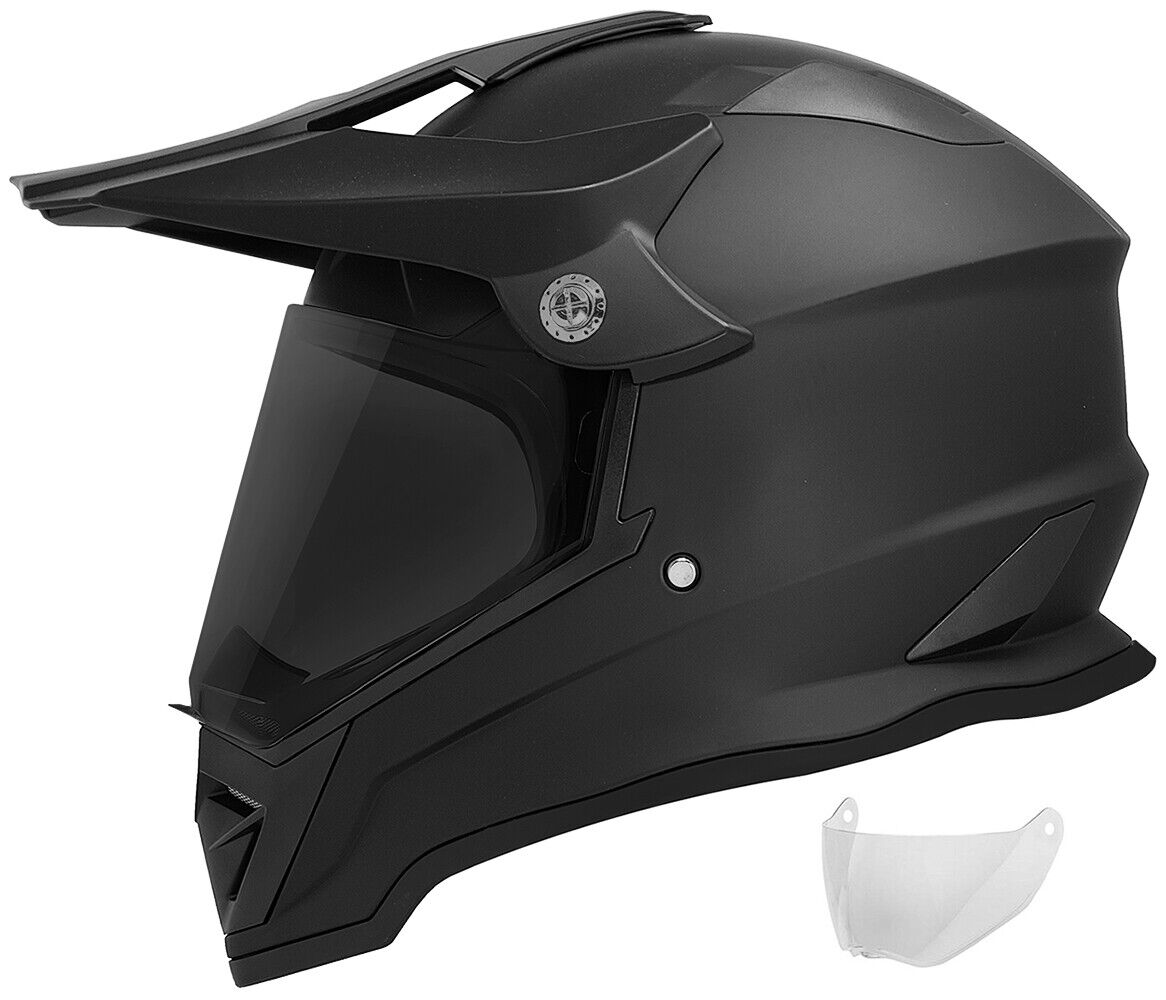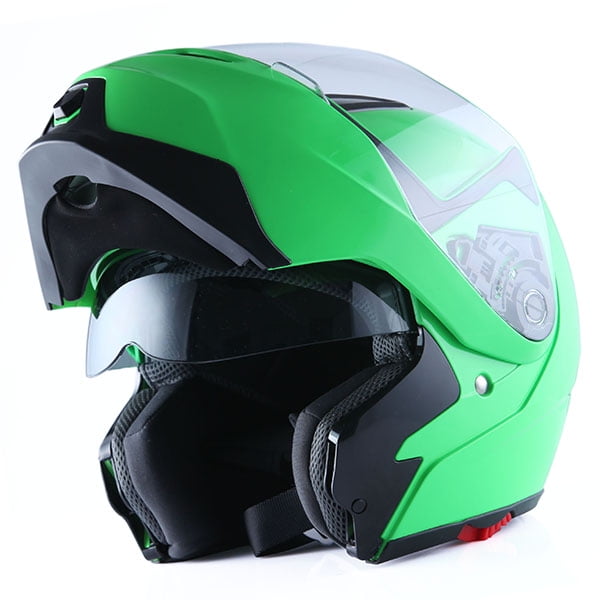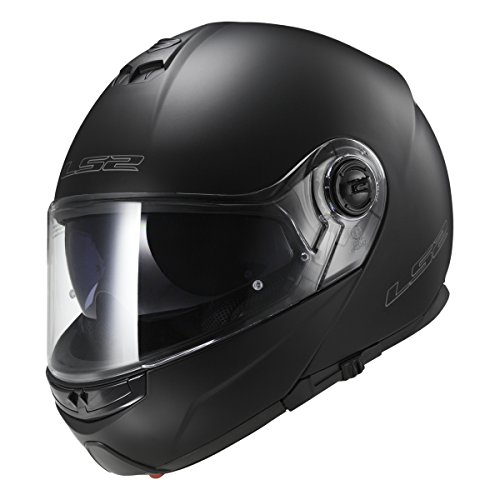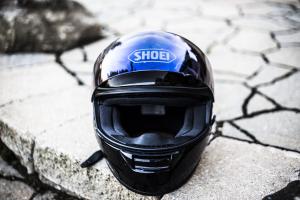
Ensuring a perfect fit when it comes to your helmet is crucial for your safety and overall comfort. You want your helmet to sit snugly on your head, while also allowing enough room for proper ventilation and ease of movement. But what goes into finding the right size helmet? Let's delve into the science behind helmet sizing.
The Anatomy of a Helmet
A helmet consists of various components that work together to provide adequate protection. These include the outer shell, the impact-absorbing liner, and the retention system. The outer shell acts as the helmet's first line of defense against impact, while the liner absorbs and disperses the force of a collision. The retention system, typically a strap or a harness, ensures the helmet stays securely on your head. Understanding these components is essential as they directly influence the sizing process.
Measuring Your Head
To determine your helmet size, you need to measure the circumference of your head accurately. Using a soft measuring tape, wrap it around your head just above your eyebrows and ears. Make sure the tape is level, neither too tight nor too loose. Once you have the measurement, compare it with the sizing chart provided by the helmet manufacturer. This chart will correlate your head circumference with the appropriate helmet size, ensuring a precise fit.
Fitting and Adjustment
Trying on various helmets will help you identify the perfect fit for your unique head shape. When putting on a helmet, it should feel comfortably snug without causing any pressure points. Your skin should move slightly with the helmet as you rotate it. Additionally, adjust the retention system to ensure the helmet stays securely in place but does not feel overly tight. Remember, the helmet should sit level on your head and not tilt forward or backward.
Demystifying the Art of Measuring for the Perfect Fit
Choosing the right helmet size is crucial for ensuring maximum protection and comfort while participating in any sport or activity that requires head protection. To demystify the art of measuring for the perfect fit, we have compiled a comprehensive sizing guide to help you find the ideal helmet size.
Step 1: Measure Your Head
Using a soft measuring tape, wrap it around the widest part of your head, typically about one inch above the eyebrows and ears. Make sure the tape is level and snug without being too tight or too loose. Record the measurement in both inches and centimeters for accuracy.
Step 2: Compare Measurements
Next, compare your head measurement with the manufacturer's sizing chart. Different helmet brands and models may have slightly different size ranges, so it's crucial to consult the specific chart for the helmet you intend to purchase. Choose the size that corresponds to your measurement, but keep in mind that it's always better to opt for a slightly snug fit rather than a loose one.
Step 3: Fitting Test
Once you have selected a helmet that matches your head measurement, try it on. The helmet should sit level on your head and cover the top of your forehead without obstructing your vision. It should feel comfortably snug, with even pressure around your head, but not to the point of causing any pain or discomfort. To ensure a proper fit, perform a simple shake test by moving your head side to side and up and down to ensure the helmet stays securely in place.
Sifting Through the Myriad Options: Choosing Your Ideal Helmet Size
When it comes to selecting the perfect helmet, getting the size right is absolutely crucial for both comfort and safety. With the vast array of options available, finding the ideal fit can seem like a daunting task. However, by following a few simple guidelines, you can ensure that your helmet provides the perfect combination of protection and comfort.
The first step in determining your helmet size is to measure your head circumference. Using a flexible tape measure, wrap it around your head just above your eyebrows and ears, keeping it level all the way around. Take note of the measurement in centimeters or inches as this will be the starting point for finding your ideal size.
Once you have your head circumference, consult the sizing chart provided by the helmet manufacturer. Different brands may have slightly different sizing systems, so it's essential to utilize the specific chart for your chosen helmet. Match your head measurement to the corresponding helmet size, keeping in mind that a snug fit is vital, but it should never feel excessively tight or cause discomfort.
Remember that trying on the helmet before purchasing is always the best way to ensure an optimal fit. Put the helmet on and fasten the chin strap securely. The helmet should fit snugly on your head, with no gaps between your scalp and the padding. Give it a gentle shake - if it moves excessively, it may be too loose. Conversely, if it puts excessive pressure on certain areas, it may be too tight and uncomfortable during extended use.
The Do's and Don'ts of Adjusting Helmet Fit: A Step-by-Step Guide
Properly fitting a helmet is essential to ensure maximum protection and comfort while participating in various activities like cycling, skateboarding, or motorcycling. Follow these step-by-step do's and don'ts to adjust your helmet for a perfect fit: